In an unsettled world, what does Britain expect from politics in the year ahead?
Reflections from the More in Common & Purpose Union Forecast: Politics, Public Opinion and Predictions for 2026
What does Britain expect from politics in the year ahead and how are global events shaping those expectations?
That was the central question explored last week when Purpose Union and More in Common brought together voices from across polling, politics and the media. They reflected on recent insights into public opinion, emerging dynamics in political leadership and what lies ahead for the UK as we settle into 2026.
An expert panel
The discussion was Chaired by Barry Johnston, Purpose Union and panelists included:
Lewis Iwu CEO, Purpose Union
Luke Tryl, UK director, More in Common
Kirsty Buchanan, Political News Editor, The Telegraph
Mahri Aurora, Political Correspondent, Sky News
Following a presentation by Luke on More in Common’s latest polling, rather than offering firm predictions, the panel focused on exploring something slightly more elusive - yet arguably more important - how people feel about politics, leadership and the direction of the country.
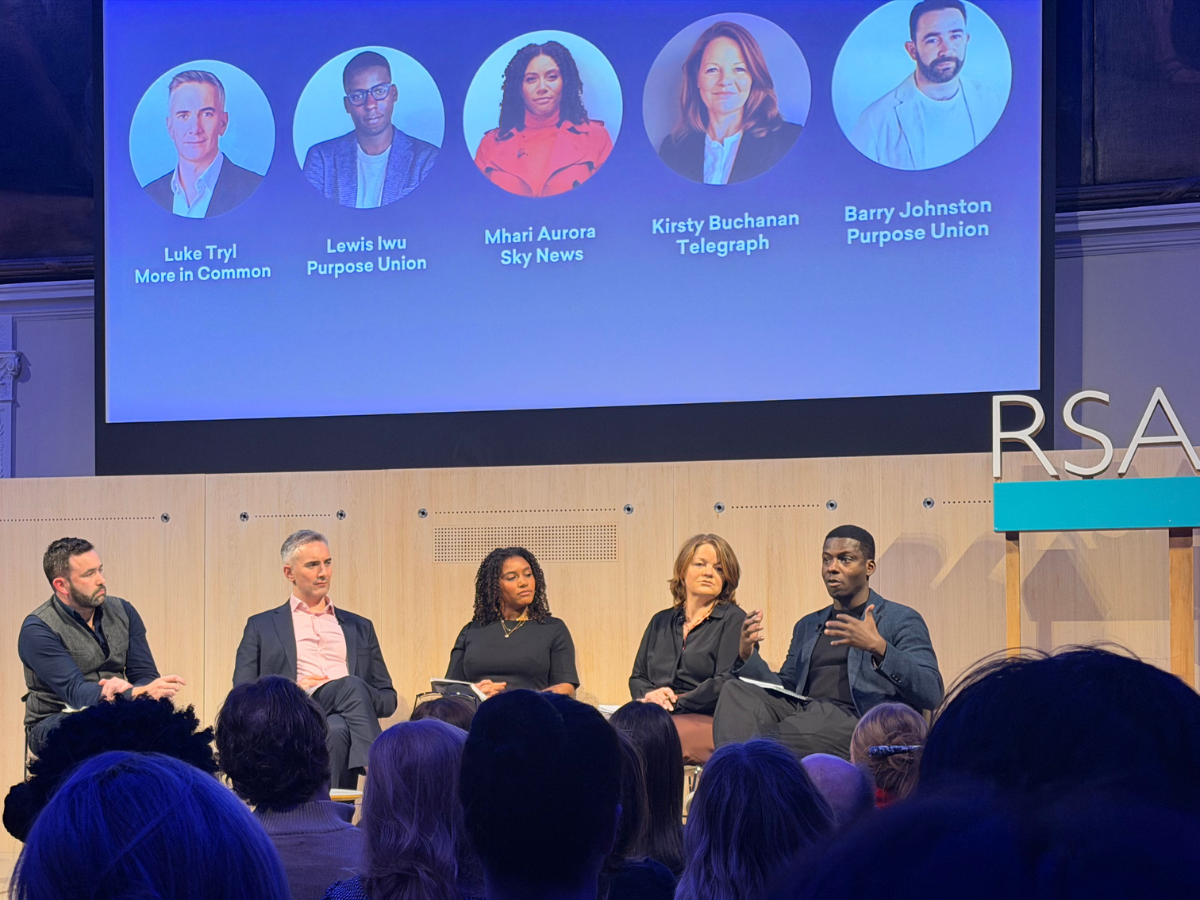
Image shows panellists Barry Johnston, Luke Tryl, Mhari Aurora, Kirsty Buchanan, Lewis Iwu at the event
A world that feels closer to home
The growing overlap between global and domestic politics was a recurring theme. Modern leaders, including the UK’s PM, now spend more time abroad than ever, not out of choice but necessity. World events - conflict, climate change, geopolitical instability - are no longer distant forces. They are shaping household priorities, domestic economic anxiety and expectations of UK party leaders.
While there was caution about declaring the emergence of a “new world order”, the panel agreed that perception matters just as much as reality (whether that’s on crime, immigration or geopolitical crises). Politics today is as much about vibes as it is about facts, and many people experience the world as increasingly unstable. The big challenge for leaders is that global events seem to arrive like a tsunami, washing over smaller domestic policy wins that might once have reassured voters.
Trust depends on engagement
There was a sense that politicians have been caught slipping when it comes to renewing the battle of persuasion. Policy makers govern by consent. Support for legislation, even landmark pieces like the Climate Change Act, does not intrinsically translate into ongoing approval of its delivery or the party delivering it. Arguments once taken for granted now need to be actively made - repeatedly - and in a language that resonates with our lived experience.
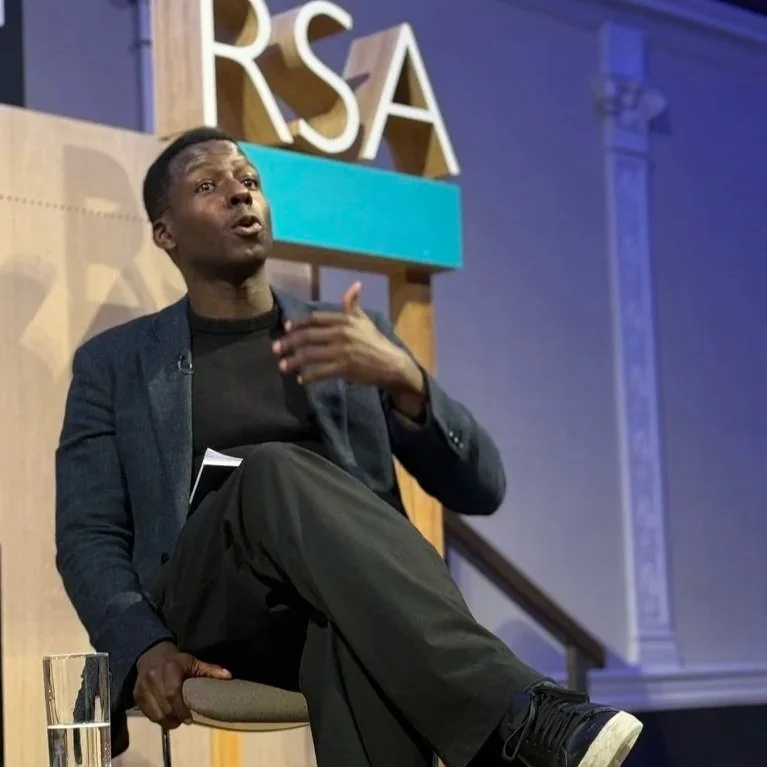
“Arguments we once took for granted now have to be actively made again - and made well.”
Lewis Iwu, Purpose Union
Public opinion, the panel argued, should be the starting point for political conversation, not something consulted on once decisions are already made. Without that engagement, trust erodes.
This is especially true of the cost of living. People are less interested in abstract economic indicators and more focused on a simple question: “How can the government make my life feel more affordable?”. Messaging needs to relate to everyday realities. That's what dominates public concern and ultimately how political competence will be judged.
Know your enemy
Discussions on migration highlighted a more nuanced public mood than often seems to often be assumed. Whilst there is strong support for diversity and multiculturalism, there are deep concerns around fairness, rules and perception of being in control.
The panel emphasised that many people want a system that is legal, safe, controlled, and compassionate. Political and media narratives that exploit these tensions risk deepening division, while a sustained, credible defence of inclusion and fairness is required to maintain social cohesion. Speakers warned that division is not accidental. There are vested interests in keeping the country polarised, moving from one grievance to another unless challenged with credible alternatives.
One striking contribution argued that there can be value in creating a ‘shared enemy’, but only when chosen carefully. When the enemy is positioned as a group of people, it fuels division and legitimises demonisation tactics. But the government has an opportunity to define our shared enemy as a systemic challenge. This offers something else entirely: a unifying focus that everyone can rally around together.
A gap in the story
Alongside the gaps in perception vs reality, one of the most striking gaps identified was not in policy, but narrative. Successive PMs have put their faith in deliverism, believing that tangible improvements (shorter waiting lists, more children lifted out of poverty) will speak for themselves. But many of these are long-term projects, and without a compelling narrative people struggle to see progress or purpose.
The question kept returning: what is the country trying to build? Britain is an old country, and forging a shared national story is not easy. Since Brexit, it feels as though the country is having a long, unresolved argument about who it is and where it is going. That task is made harder by low trust in politicians.
So who should tell the story? Interestingly, trust is higher in other institutions such charities, community organisations and some businesses is comparatively high. The panel suggested that rebuilding confidence may require a broader coalition of trusted messengers to articulate a vision of a kind, prosperous and achievable future for the country.
The award for least optimistic goes to…
The audience. At least when it comes to the likelihood of England making it to the world cup final this summer.
The event closed out with a live poll, Britons vs the Audience, on the likelihood of certain events in 2026. According to both, we are facing a major cyber attack on UK infrastructure, a recession, and very little chance of a Trump resignation. Buckle up!
Download our Insights Paper to explore the forces shaping public opinion and trust, and what organisations need to consider as they plan for 2026.
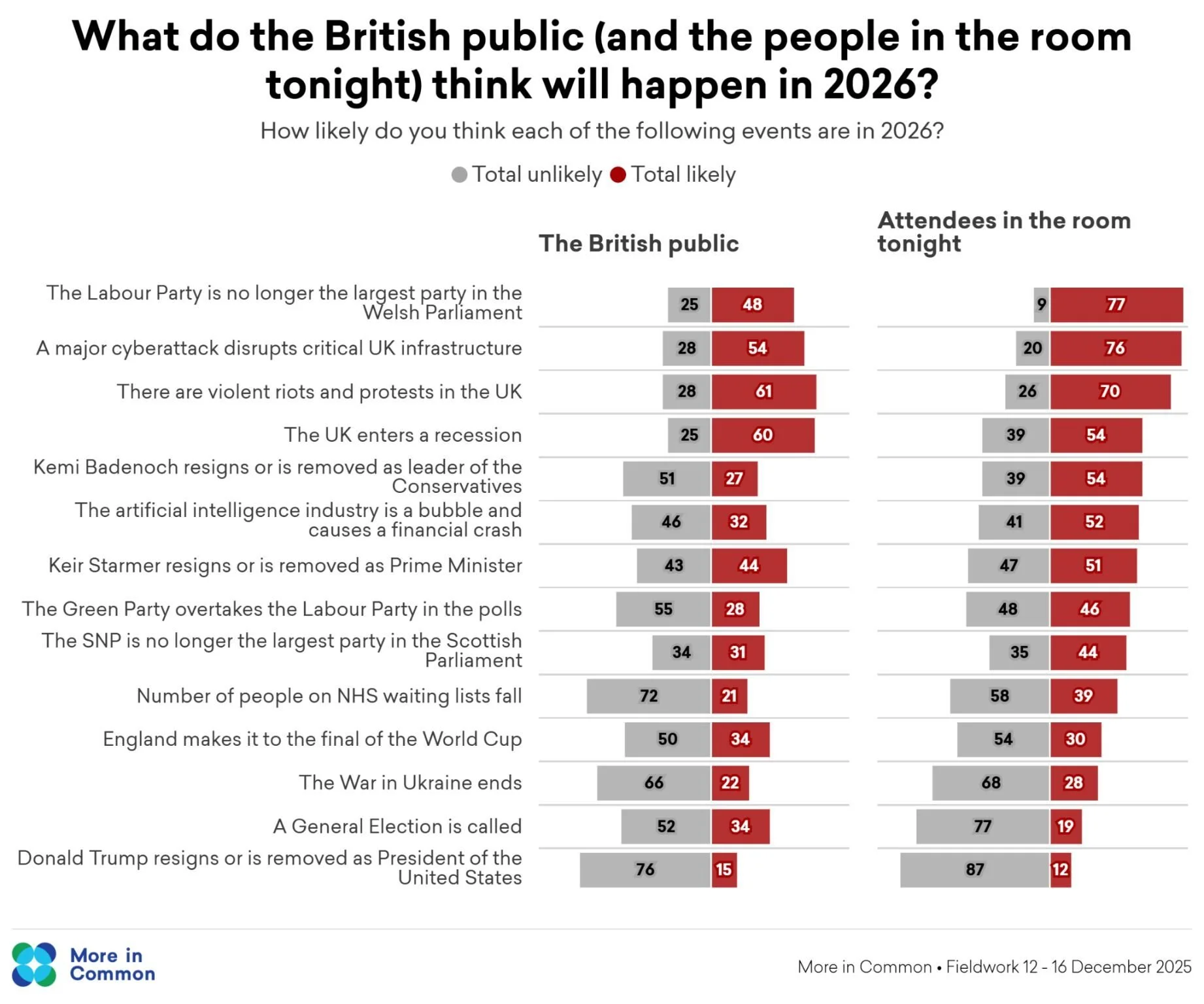
Image of More in Common polling
This article was written by Hannah Anderton. If you or your organisation would like to find out more about how we could collaborate together, get in touch